
NFT Trend went through a brutal boom-and-bust cycle, so it is understandable that many people think they are “dead.” In reality, the speculative JPEG bubble is mostly gone, but the underlying tech is quietly evolving into infrastructure for digital ownership and utility-focused use cases. Below is a blog-style post you can use or adapt. beinsure
Is NFT Trend Dead? What The Data Actually Shows
The NFT market of 2021—hype-fueled PFPs, overnight millionaires, and gas wars—is definitely over. Trading volumes crashed from their peak, a huge percentage of avatar collections went illiquid, and mainstream attention moved on. Yet when looking at current numbers and emerging use cases in 2025, the story is less about death and more about a painful transition from speculation to infrastructure. explodingtopics
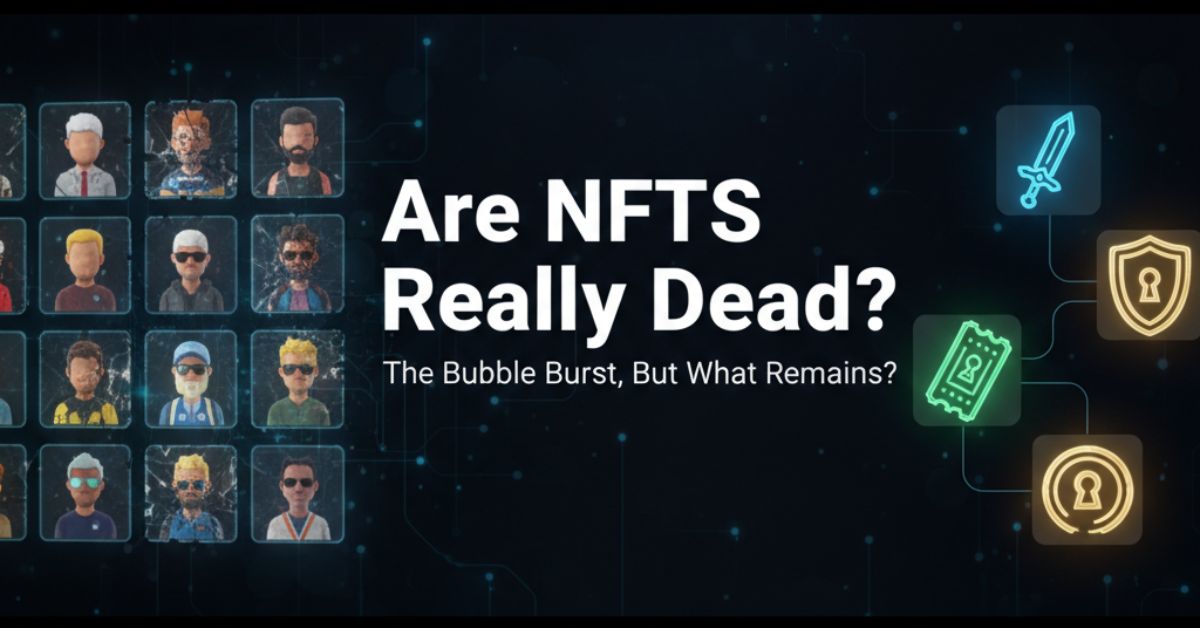
The Crash Of The JPEG Era – NFT trend
During 2021–2022, NFTs were dominated by speculative art and collectibles, with volumes driven by traders chasing quick flips. Annual revenue reached several billion, then dropped sharply as macro conditions tightened and risk assets sold off. By early 2025, the market started the year down roughly a quarter month-on-month, and many high-flying collections from the bull run traded near zero or stopped trading altogether. explodingtopics
That collapse created the widespread perception that “NFTs are dead,” because the visible, noisy part of the market—PFPs on social media and celebrity drops – essentially imploded. Liquidity concentrated into a small set of blue-chip collections and gaming assets, while thousands of low-effort projects faded away. For casual observers, the disappearance of that noise looked like the end of the entire category. beinsure
What the 2025 Numbers Say about the NFT trend
If NFTs were truly dead, the expectation would be simple: collapsing volumes, falling user counts, and no credible forecasts of future growth. Instead, the data tells a more nuanced story. The global NFT market is still projected to be worth tens of billions of dollars in the coming years, with forecasts into the 2030s assuming double‑digit annual growth as new use cases emerge. skyquestt
A key shift is that gaming and utility NFTs now represent a large share of transactions—one recent breakdown estimates around 38% of 2025 NFT activity comes from gaming-related assets alone. At the same time, some reports show that while dollar volumes have normalized, the number of NFT transactions has risen, suggesting fewer giant speculative bets and more routine, lower‑value usage. That is exactly what a maturing digital asset market looks like, rather than one that has died. beinsure
From Collectibles To Digital Infrastructure
The most important change is qualitative, not just quantitative: NFTs are moving from “collectible JPEGs” to “digital infrastructure.” Analysts tracking metaverse and NFT trends for 2025–2026 note that NFTs are increasingly used as core building blocks for gaming economies, metaverse access passes, AI-driven assets, and enterprise applications. mexc
Several trends underpin this shift: cross‑chain marketplaces that support multiple blockchains, integration with DeFi for staking and collateralization, and tokenization of real‑world assets like real estate and intellectual property. In parallel, enterprises are experimenting with token‑based memberships instead of traditional Web2 loyalty programs, moving customer access and rewards onto NFT rails. None of this looks like the 2021 hype cycle, but it does look like technology settling into real-world roles. antiersolutions
My Take: What “Dead” Really Means For NFTs and NFT trend
So, are NFTs dead? The answer depends entirely on what someone means by “NFTs.” The idea that you can mint a random image, list it on a marketplace, and reliably sell it for 10x a week later is effectively dead, and that is a good thing. That phase attracted scammers, low‑effort projects, and unsustainable expectations, and its collapse was an overdue reset. explodingtopics
What is not dead is the core concept of unique, verifiable digital ownership. Market forecasts through 2032 point to continued growth, especially as NFTs blend with AI, gaming, metaverse environments, and tokenized real‑world assets. In practical terms, that means the future of NFTs is likely to be boring in the best way: embedded into apps, games, tickets, memberships, and financial products where end users may not even say “NFT”—they will just use them. skyquestt
References:
- https://www.skyquestt.com/report/non-fungible-token-NFT-market
- https://www.simplilearn.com/nft-trends-article
- https://community.nasscom.in/communities/web-30/nft-marketplaces-2026-trends-and-future-innovations
- https://www.antiersolutions.com/blogs/top-5-nft-marketplaces-that-will-rule-in-2026/
- https://beinsure.com/metaverse-nfts-trends-outlook/
- https://explodingtopics.com/blog/nft-trends
- https://www.mexc.com/news/191969
- https://www.statista.com/outlook/fmo/digital-assets/nft/worldwide
- https://nftplazas.com/how-to-make-money-with-nft/
- https://nftnewstoday.com/2025/12/15/nft-market-catalysts-for-2026-why-the-next-cycle-will-look-very-different
If you are in search of someone who can help you go deeper into the said topic, why not consider a freelance researcher to do so? You can check with the blogging team of AboutFreelancing.com. or reach me, and i can help you connect with someone with the said industry.